
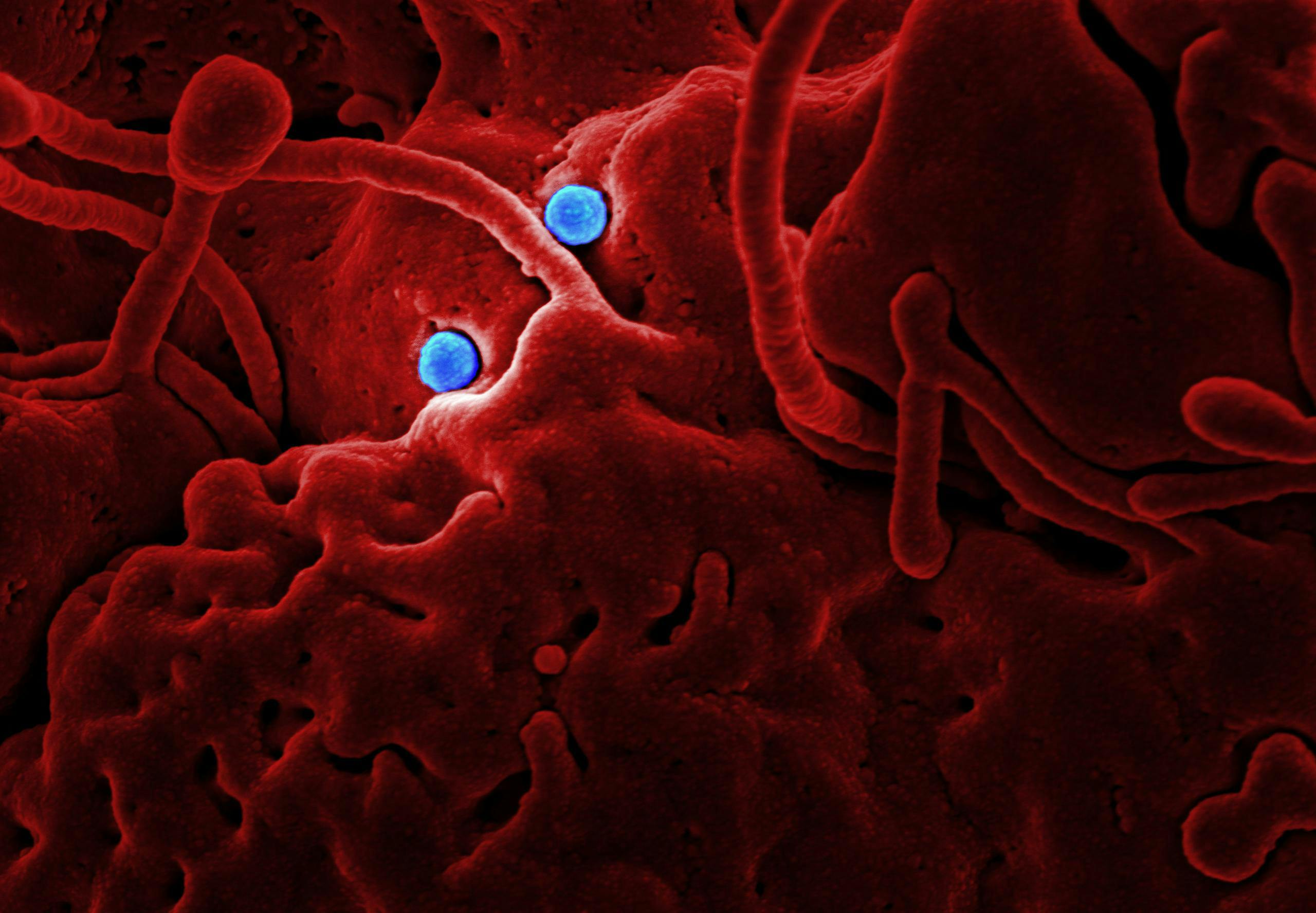

The hantavirus cruise ship outbreak aboard the MV Hondius has now become one of the most closely watched public health events of 2026. The World Health Organisation has officially confirmed 11 confirmed or suspected hantavirus cruise ship cases, with three passengers dead.
How the Hantavirus Cruise Ship Outbreak Began
The hantavirus cruise ship story began in early April when the MV Hondius departed Ushuaia, Argentina, carrying nearly 150 passengers. The first confirmed hantavirus cruise ship patient — a 70-year-old Dutch man — is believed to have contracted the Andes virus before boarding, during a birdwatching trip near a rodent-populated landfill outside Ushuaia.
Once onboard, this first hantavirus cruise case unknowingly exposed fellow passengers during the early days of the voyage through Antarctica and remote South Atlantic islands.
Table of Contents
Why This Hantavirus Ship Outbreak Is Historically Unusual
Experts tracking the hantavirus situation have noted something remarkable — a cruise ship has never before recorded a hantavirus outbreak in modern history. The confined environment of the vessel created conditions that accelerated what would normally be an extremely rare hantavirus cruise ship transmission chain.
The Andes strain involved in this hantavirus ship event is the only known hantavirus capable of person-to-person transmission, which is what makes this particular case so significant to scientists globally.
Global Response to the Hantavirus Ship
Since the hantavirus cruise ship outbreak was reported to WHO on May 2, health authorities across at least 12 countries have scrambled to trace, test, and isolate exposed passengers. Countries monitoring individuals connected to the cruise ship include the United States, United Kingdom, Germany, Switzerland, Singapore, Canada, and several others.
In the US, the CDC repatriated hantavirus cruise ship passengers to two high-containment facilities — the Nebraska Biocontainment Unit and Emory University Hospital in Atlanta. The CDC has classified the hantavirus cruise ship response at Level 3, its lowest emergency tier, signaling the situation remains controlled.
Should You Worry About the Hantavirus Cruise Ship?
Public anxiety around the hantavirus cruise ship has surged online, with Google searches spiking over 1,000% in some US states. However, WHO continues to assess the cruise ship risk to the general global population as low.
There is no vaccine or specific treatment for the virus behind this hantavirus ship outbreak, but experts stress that the Andes virus does not spread easily. The case fatality rate linked to the cruise ship stands at roughly 38% — but this figure is likely inflated since mild cases often go untested and unreported.
What Comes Next
Epidemiologists are now focused on two key questions following the hantavirus crisis: how many people were truly exposed, and whether secondary community cases emerge in the countries passengers returned to.
The hantavirus ship outbreak is a sobering reminder that, in an era of global travel, even the most remote expedition can carry public health consequences that span the globe. WHO Director-General Tedros Adhanom Ghebreyesus confirmed on May 12 that all early-disembarking passengers from the ship have now been located — a critical milestone in containing further spread.