
How the Strait of Hormuz Blockade Is Driving Up Oil, Gas, and Airfare Prices Worldwide (2026)

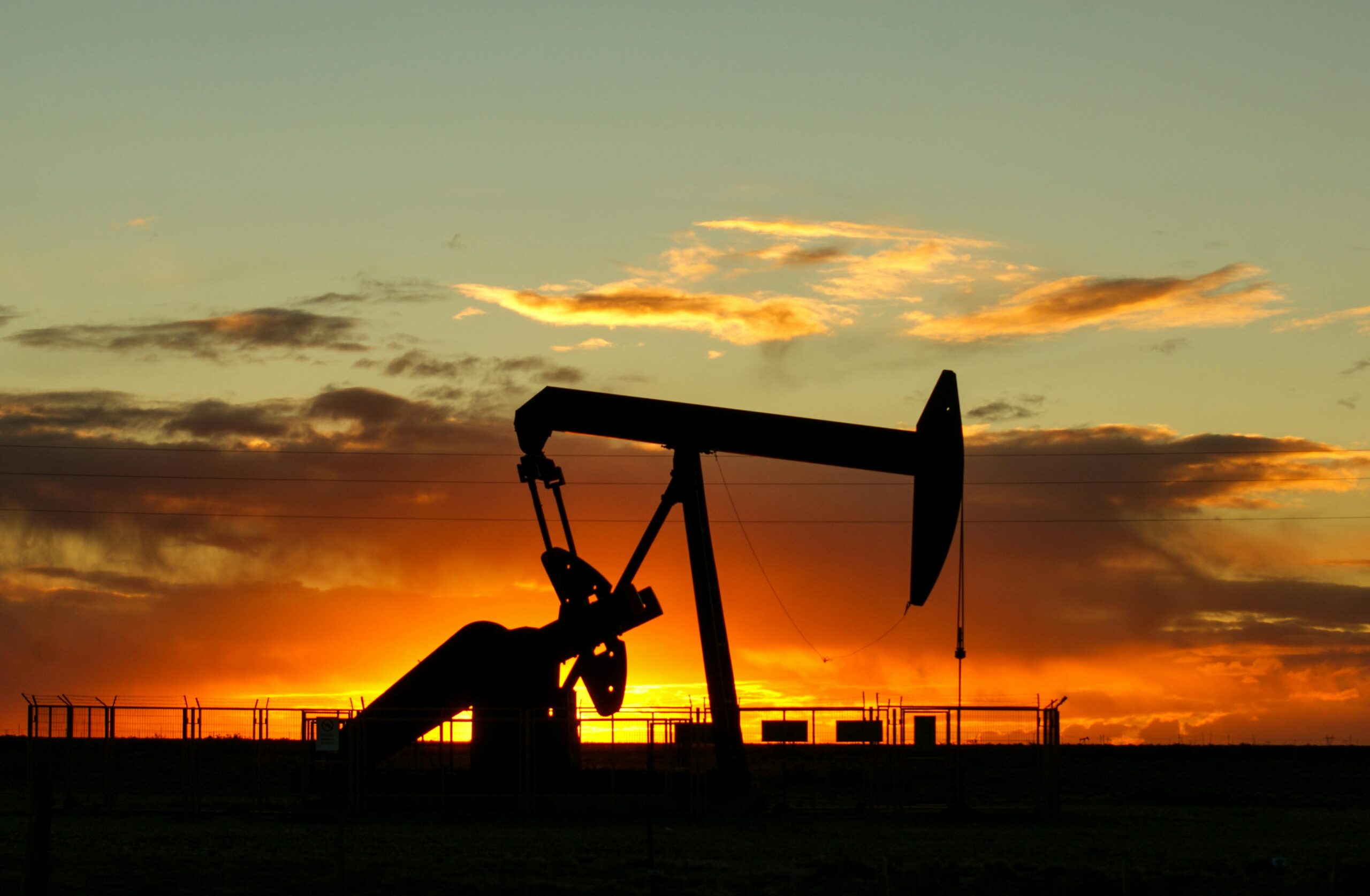
The Strait of Hormuz — a narrow waterway connecting the Persian Gulf to the Arabian Sea — handles roughly 20% of the world’s daily oil supply. Since a U.S.-Israeli military strike on Iran in late February 2026 triggered a blockade of the strait, global energy markets have been under severe pressure, sending oil, gasoline, and airfare prices surging across the world.
Here is a factual breakdown of what is happening, what the numbers look like right now, and where the situation stands as of May 2026.
What Is the Strait of Hormuz and Why Does It Matter?
The Strait of Hormuz is one of the world’s most strategically critical shipping lanes. At its narrowest point, it is only about 33 kilometres wide. Every day, roughly 17–21 million barrels of oil and petroleum products pass through it — predominantly from Saudi Arabia, Iraq, the UAE, Kuwait, and Iran — destined for markets in Asia, Europe, and the Americas.
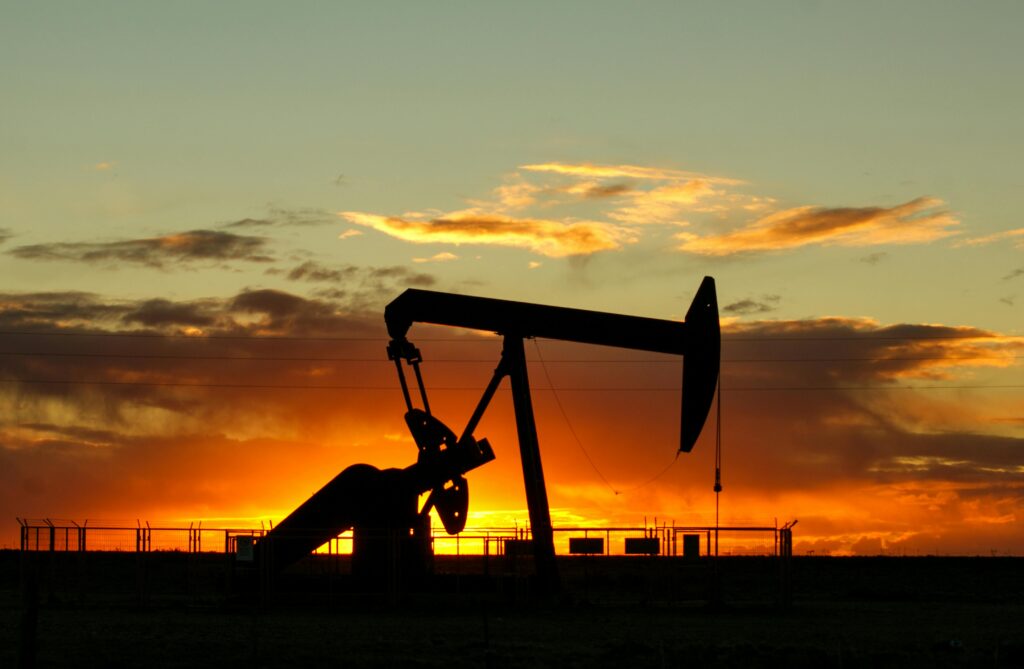
Strait of Hormuz oil prices 2026
When the U.S. and Israel launched military strikes on Iran in late February 2026 — an operation the White House referred to as “Operation Epic Fury” — Iran responded by restricting traffic through the strait. Since then, ships attempting to cross the waterway have received warnings from Iran’s Islamic Revolutionary Guard Corps (IRGC) navy, with vessels told they risk being “targeted” if they approach outside specified routes.
The result has been a significant slowdown in global oil shipments, a sharp spike in insurance costs for cargo vessels, and cascading price increases across energy markets worldwide.
Table of Contents
Oil Prices: Where They Stand Right Now
Before the conflict began, global crude oil prices were trading in a significantly lower range. As of Wednesday, May 6, 2026, West Texas Intermediate (WTI) crude oil settled at $95.08 per barrel — a decline of $7.19 on the day, driven by reports of renewed diplomatic talks between the U.S. and Iran.
Even with that single-day drop, the broader picture tells a stark story. Brent crude for July delivery fell to $101.27 per barrel at its lowest settlement since April 21 — but that figure still represents a dramatic increase from pre-war levels.
The price decline on May 6 came after news emerged that Iran and the U.S. are working through Pakistani mediators on a 14-point memorandum of understanding — a framework that would establish a one-month period of negotiations aimed at formally ending the conflict and reopening the strait. However, officials caution that significant details remain unresolved, including the scope of uranium enrichment restrictions and sanctions relief.
President Trump said on Wednesday that the U.S. has had “good talks” with Iranian negotiators, and that the country has agreed not to pursue nuclear weapons for peaceful purposes. At the same time, he posted on social media: “If they don’t agree, the bombing starts.”
Gasoline Prices: What Consumers Are Paying
The effects at the petrol station have been immediate and significant. According to data from the American Automobile Association (AAA):
- The national average for regular gasoline in the United States reached $4.54 per gallon on Wednesday, May 6, 2026.
- That figure represents a 52% increase since the initial U.S.-Israeli attack on Iran at the end of February.
- Regional prices range from $3.96 per gallon in Oklahoma to $6.16 per gallon in California.
The price surge is not confined to the United States. European nations, which pay fuel taxes that often exceed the base commodity cost, are also facing elevated energy prices. The European Central Bank noted this week that the conflict has pushed energy costs higher across the eurozone — though EU wage growth is expected to slow to 2.6% in 2026, down from 3% in 2025, limiting workers’ ability to absorb rising living costs.
A new poll conducted by NPR, PBS, and Marist found that 63% of Americans place a “great deal” or “good amount” of blame on the Trump administration for rising gasoline prices, while more than 8 in 10 Americans say the surge in fuel costs is putting strain on their personal finances.
Airfare: Ticket Prices Are Rising Sharply
The aviation sector is among the hardest hit. Jet fuel prices roughly doubled in the weeks following the initial strike in late February and have remained elevated. The financial pressure on airlines has been severe:
- U.S. airlines spent more than $5 billion on fuel in March 2026 alone — a 30% increase from the same month a year earlier, according to U.S. government data.
- In March, the average price of a domestic round-trip economy airline ticket in the United States rose 21% year-over-year, reaching $570, according to Airlines Reporting Corporation, which tracks travel-agency sales.
- Major carriers have been raising ticket prices in an attempt to pass fuel costs on to passengers while simultaneously cutting flights that are no longer profitable at elevated fuel prices.
Former New Hampshire Governor Chris Sununu, who represents major U.S. carriers as president of the industry group Airlines for America, has been meeting with senior White House officials to warn of economic consequences. He cautioned this week that even if the Strait of Hormuz were to reopen immediately, ticket prices would remain elevated through summer and autumn 2026 because fuel hedging and forward contracts take time to unwind.
Spirit Airlines, already in financial difficulty before the conflict, filed for Chapter 11 bankruptcy protection. The carrier and the Trump administration sought $2 billion in federal assistance to help offset fuel costs, and Spirit wrote to lawmakers requesting relief from aviation fuel excise taxes.
The “Supercommuter” Effect: Long-Distance Drivers Hit Hardest
Beyond aviation, the price surge is hitting everyday drivers — particularly those with long commutes. A 2024 study from researchers at Stanford University and INRIX found that the number of people with driving commutes of 75 miles or more increased by roughly a third after the pandemic, as workers relocated farther from city centres for more affordable housing.
With gasoline now at $4.54 per gallon nationally — and above $6 per gallon in states like California — those long-distance commuters are facing significant financial pressure.
Commuters who drive a new vehicle with average fuel economy 75 miles each way, every weekday, could spend roughly $500 per month on fuel for their commute alone at current prices, before accounting for higher costs in expensive states or additional mileage.
Work-from-home data from Stanford economist Nicholas Bloom shows that remote working days rose from 24.7% of all working days in February 2026 to 26.9% in March 2026, suggesting at least some workers are adapting by staying home more frequently.
Global Economic Consequences: What the IMF Projects
The International Monetary Fund’s World Economic Outlook, published three weeks before the situation escalated to its current level, is now considered outdated. Analysts have since laid out three scenarios based on how long the Hormuz blockade continues:
| Scenario | Strait Reopens | Projected Global Growth (2026) |
|---|---|---|
| Mild | Within 3 weeks | ~2.9% (vs. 3.4% pre-war forecast) |
| Moderate | Mid-May to July | ~2.6% |
| Severe | After July or later | 2.5% or below |
Economists at Rosenberg Research noted that the impact extends well beyond energy. Materials needed for agriculture, manufacturing, and semiconductor production are also in shorter supply, as the blockade affects not just oil tankers but global cargo shipping more broadly.
The Federal Reserve Bank of St. Louis president, Alberto Musalem, said this week that risks to the Federal Reserve’s dual mandate are “shifting more toward inflation than unemployment,” with near-term inflation expectations rising and longer-run expectations beginning to drift upward.
Diplomatic Developments: Where Talks Stand
The diplomatic situation as of mid-May 2026 remains fluid. Key developments include:
- The 14-point memorandum: The U.S. and Iran are working through Pakistani mediators on a framework document. If agreed upon, it would establish a month-long period of detailed negotiations on nuclear restrictions, sanctions relief, and the reopening of the strait.
- Trump paused Project Freedom: The administration suspended a plan to escort commercial ships through the strait using naval assets, saying it wanted to give diplomacy a chance.
- Iran’s position: Iran’s foreign ministry said it is reviewing the U.S. proposal and will convey its response to Pakistani mediators. Iran’s mission to the United Nations stated that “the only viable solution in the Strait of Hormuz is clear: a permanent end to the war, the lifting of the maritime blockade, and the restoration of normal passage.”
- Crude oil’s reaction: News of diplomatic progress sent Brent crude falling nearly 8% on May 6 alone, suggesting markets are closely tracking the probability of a deal.
What Happens If the Strait Reopens?
Even in the event of a swift diplomatic resolution, energy market analysts and industry representatives warn that relief will not be immediate:
- Oil tanker re-routing takes time to unwind. Ships diverted around the Cape of Good Hope (adding weeks to journeys) cannot immediately reverse course.
- Airline fuel hedging contracts, some of which lock in prices months in advance, will take time to roll off.
- Rebuilding consumer and business confidence in energy price stability typically lags behind the actual reopening of supply chains.
Sununu, the airline industry representative, said: “Ticket prices won’t go down immediately after the strait is fully reopened. You’re looking at elevated ticket prices through the summer and fall because it takes a while for the prices to go down.”
Key Numbers at a Glance
| Metric | Current (May 2026) | Change |
|---|---|---|
| WTI Crude Oil | $95.08 / barrel | Up ~70% since Feb |
| Brent Crude | $101.27 / barrel | Peaked above $112 |
| U.S. Regular Gasoline | $4.54 / gallon | +52% since Feb attack |
| California Gasoline | $6.16 / gallon | New regional record |
| U.S. Domestic Airfare | $570 round-trip | +21% year-over-year |
| U.S. Airline Fuel Spend (March) | $5 billion+ | +30% year-over-year |
The Bottom Line
The Strait of Hormuz blockade, now entering its third month, has moved from a geopolitical event to a direct economic pressure on households worldwide — through higher fuel, grocery logistics, airline, and consumer goods costs.
Diplomatic talks are the most advanced they have been since the conflict began, and markets responded positively to the news on May 6. However, analysts warn that even a successful deal will take weeks or months to fully translate into lower prices at the pump and the airport.
The situation remains one of the most consequential economic developments of 2026, with implications for inflation, consumer spending, corporate earnings, and global growth that financial markets and policymakers are watching closely.
Sources: Wall Street Journal (May 7, 2026), AAA Fuel Gauge Report, Airlines Reporting Corporation, U.S. Energy Information Administration, International Monetary Fund World Economic Outlook, Stanford / INRIX Commuter Study (2024), Rosenberg Research, European Central Bank Wage Tracker.
Important: All content on GoodFinx is for informational and educational purposes only and does not constitute financial advice. Always consult a qualified financial professional before making financial decisions. Read our Disclaimer
Tags: Strait of Hormuz, Oil Prices 2026, Gas Prices, Iran War, Global Economy, Airfare Prices, Energy Crisis, Inflation
Category: World Economy | Energy | News
Slug: strait-of-hormuz-blockade-oil-gas-airfare-prices-2026