
Credit cards are among the most widely used financial tools in the United States, yet many people use them without fully understanding how they work. Having a basic understanding of credit cards can help individuals avoid unnecessary debt, manage expenses responsibly, and build a strong credit history over time.
This guide explains what a credit card is, how it works in the U.S., and the key terms every beginner should understand.
What Is a Credit Card?
A credit card is a payment tool that allows you to borrow money from a bank or financial institution to make purchases. Instead of paying immediately from your bank account, you use the card issuer’s money and repay it later.
Each credit card comes with a credit limit, which is the maximum amount you are allowed to borrow at any given time.
How Credit Cards Work in the United States
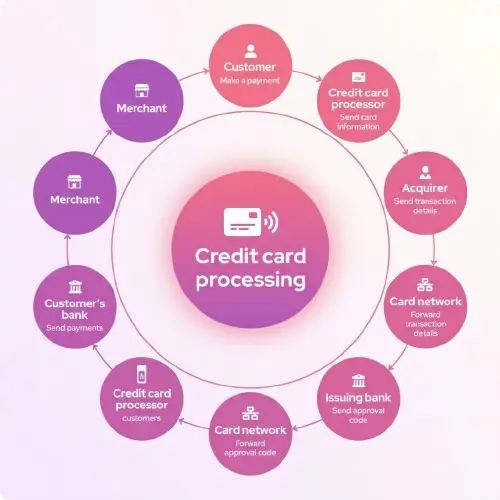
- You make a purchase using your credit card
- The card issuer pays the merchant on your behalf
- The purchase amount is added to your credit card balance
- You receive a monthly statement showing what you owe
- You repay the balance by the due date
If you pay the full balance on time, you usually avoid interest charges. If you do not, interest may be added to the remaining balance.
Key Credit Card Terms You Should Know
Understanding these terms is essential before using a credit card.
Credit Limit
When you use a credit card, the process generally works like this:
The maximum amount you can spend on your card. Exceeding this limit may result in fees or declined transactions.
Statement Balance
The total amount you owe at the end of a billing cycle.
Due Date
The deadline by which you must make at least the minimum payment.
Minimum Payment
The smallest amount you must pay to keep your account in good standing. Paying only the minimum usually results in interest charges.
APR (Annual Percentage Rate)
The interest rate applied if you carry a balance from one month to the next.
What Happens If You Don’t Pay on Time?
Missing payments can lead to:
- Late fees
- Interest charges
- Damage to your credit score
- Possible account restrictions
This is why understanding how credit cards work is especially important for first-time users.
Common Types of Credit Cards in the U.S.
There are several types of credit cards designed for different needs:
- Standard Credit Cards – Basic cards with no special rewards
- Rewards Credit Cards – Offer cashback, points, or travel rewards
- Secured Credit Cards – Require a security deposit and are often used to build or rebuild credit
- Student Credit Cards – Designed for students with limited credit history
Each type works the same way but offers different benefits and requirements.
Are Credit Cards Good or Bad?
Credit cards are neither good nor bad by themselves. Their impact depends on how they are used.
When used responsibly, credit cards can:
- Help manage cash flow
- Build credit history
- Provide fraud protection
- Offer rewards and benefits
When misused, they can lead to:
- High-interest debt
- Financial stress
- Credit score damage
Learning the basics early can make a big difference in long-term financial health.
How Credit Cards Affect Your Credit Score
Credit cards play a major role in your U.S. credit score. Key factors include:
- Payment history
- Credit utilization (how much of your limit you use)
- Length of credit history
- Number of accounts
Paying on time and keeping balances low generally helps maintain a healthy credit profile.
Final Thoughts
Credit cards are powerful financial tools when used responsibly. Understanding how they work, what terms to watch for, and how repayment affects your finances can help you make smarter decisions and avoid common mistakes.
Before applying for or using a credit card, take time to learn the basics and choose options that fit your financial situation.
This article is for informational purposes only and does not constitute financial advice.