

Updated 23 November 2026 — Ebola outbreak DR Congo 2026: figures change fast, so check the WHO Disease Outbreak News page for the latest numbers.
Ebola outbreak DR Congo 2026: 11,613 confirmed cases and 5,678 deaths recorded in DR Congo as of 17 November 2026 (WHO), as MSF calls the situation ‘deeply alarming’.
There is a growing Ebola Virus outbreak in the Democratic Republic of Congo (DRC). The health organizations warn about the unprecedented rapidity with which the disease is spreading across the country. As of 17 November 2026, WHO counts 11,613 confirmed cases and 5,678 deaths in the DRC.
Six months on: Ebola outbreak DR Congo 2026 in numbers
When this post was first written at the end of May 2026, the outbreak looked bad at just over 1,000 suspected cases. Six months later it looks very different. The outbreak was declared on 15 May 2026 in Ituri province, in the east of DR Congo, and it has not slowed down since. WHO’s update of 20 November 2026 puts the total at 11,613 confirmed cases and 5,678 deaths, with 3,148 people recovered. Ituri is still the worst-hit province, with about 7,858 cases, and North Kivu is now the main place where new infections are appearing, with about 2,860 cases. In the last three weeks counted, 1,417 new cases were reported — roughly 60 to 65 a day — and 452 of the 720 deaths in that period happened in the community, not in treatment centres, which means many people are still dying without ever reaching care.
Children carry a heavy share of it. UNICEF reported that, as of 4 November, 2,959 children were among confirmed cases — about 28% of the total — including 1,737 deaths. Routine childhood vaccination has also fallen sharply in the worst-hit areas, because clinics are disrupted and families are afraid to come in. The outbreak has spread beyond DR Congo as well: cases have been reported in five countries since May — DR Congo, France, Kenya, Nigeria and Uganda. Uganda’s outbreak was declared over on 27 August 2026 after 42 days with no new case, and France’s was controlled in August. Kenya reported 9 cases and 2 deaths, with its last case on 20 October, and Nigeria reported a single case on 20 October; both countries have started the 42-day countdown to declare their outbreaks over. A British health worker was flown back to the UK for treatment on 5 November, and a case was medically evacuated to Switzerland on 26 October. On 18 November, WHO confirmed the outbreak still counts as a Public Health Emergency of International Concern, the highest alarm level it has.
Why the response is struggling
The numbers keep climbing for reasons that have little to do with the virus itself. The two worst-hit provinces, Ituri and North Kivu, are also the places where armed fighting is heaviest. Between 6 and 7 November, an armed raid on a treatment facility in North Kivu forced patients to flee and broke the contact-tracing chains that had just been built. Médecins Sans Frontières warned on 12 November that the outbreak is still out of control because insecurity hides community transmission: health workers cannot reach villages, samples cannot get to labs, and families hide sick relatives because they fear the treatment centres. Only about 81% of known contacts are being seen each day, against a target of 95%. Roads are poor, the health system was fragile before the outbreak began, and mistrust runs deep after years of conflict. That is the real story now — not a single alarming quote from May, but a response that has grown much bigger and still cannot keep up, because the fighting will not stop long enough to let it work.
MSF (Médecins Sans Frontières) or Doctors Without Borders has called the current state of affairs ‘deeply alarming’ because the response has been too slow. In particular, Dr. Alan Gonzalez, who is the deputy director of operations at the organization, said that no previous Ebola outbreaks had recorded such many cases so fast after their declaration.
The latest outbreak of Ebola has been confirmed in the country on May 15, 2026. It is caused by the Bundibugyo virus, a relatively rare strain of the Ebola family. There is no licensed vaccine or approved antiviral drug for the Bundibugyo strain, although two vaccines are licensed for the Zaire strain, and vaccine trials are running.
Tedros Adhanom Ghebreyesus, Director General at WHO (World Health Organization), visited the city of Bunia – the epicenter of the outbreak – to evaluate the situation and call for community leadership against the epidemic. WHO has officially announced the outbreak a PHEIC (Public Health Emergency of International Concern).
Spread beyond DR Congo
The Ebola virus has spread beyond DR Congo. Uganda’s outbreak was declared over on 27 August 2026 after 42 days with no new case, and France’s case was controlled in August. Kenya reported 9 cases and 2 deaths, with its last case on 20 October, and Nigeria reported a single case on 20 October; both countries have started the 42-day countdown to declare their outbreaks over.
What Is Ebola Virus Disease?
The Ebola Virus Disease (EVD) is a very rare condition causing a hemorrhagic fever and often resulting in deadly complications. Initial symptoms usually emerge quite rapidly and can be similar to flu with fever, headaches, pains, and exhaustion. Further symptoms of EVD include vomiting, diarrhea, abdominal pain, bleeding inside and outside of the body, as well as rash, arthralgia, and lack of appetite.
People get infected by coming into direct contact with bodily fluids (blood, saliva, urine, semen, or breast milk) of animals and other people carrying the Ebola virus.
Medical Responses
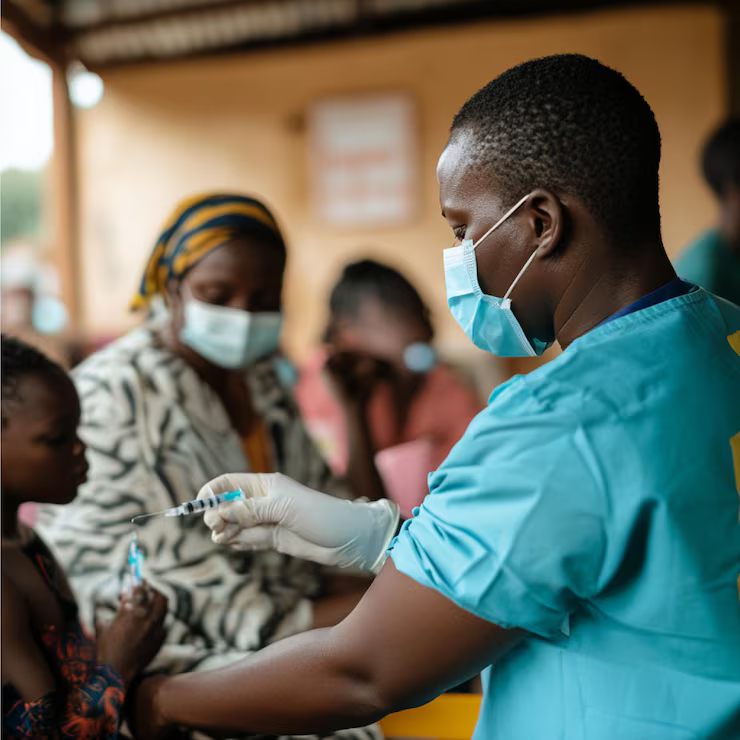
MSF responded to the threat by sending additional experts to the region for the purpose of vaccination, establishment of quarantine zones, and education of communities about infection prevention practices. Nonetheless, MSF says that there are too few qualified organizations providing medical help in the region.
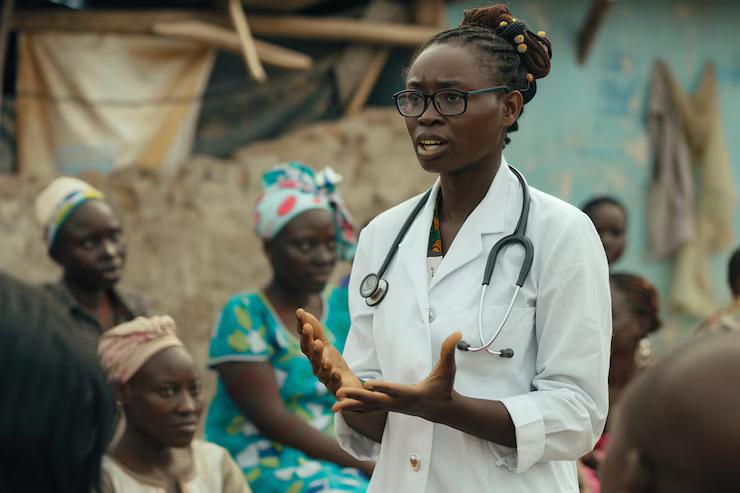
Furthermore, health officials have pointed out the presence of some logistical issues that affect the work of experts in the region such as borders and airports being closed that hinders delivery of necessary medical equipment and personnel.
For more on global health emergencies, read our coverage of the Hantavirus Cruise Ship outbreak
Medical experts are appealing to all healthcare stakeholders to respond quickly to the outbreak and make sure that the situation does not deteriorate further. In their appeal, they cite the need for rapid and accurate diagnostics, effective clinical management, safe burials, and the immediate implementation of containment strategies to stop transmission.
The first case of Ebola was reported in 1976.
Sources: MSF, WHO, CDC, and ECDC.
Frequently asked questions
How many Ebola cases are there in DR Congo in 2026?
As of 17 November 2026, WHO counts 11,613 confirmed cases and 5,678 deaths across 68 health zones in eight provinces. That makes this the largest Ebola outbreak ever recorded in DR Congo, and the second largest Ebola outbreak on record anywhere. About 1,417 new cases were reported in the three weeks before that date, so transmission is still going on.
What is the Bundibugyo virus?
Bundibugyo is one of four Ebola strains that can infect people. It was first found in Uganda in 2007 and is named after the district where it appeared. It is less deadly than the better-known Zaire strain, but it is still severe: in past Bundibugyo outbreaks, about 30% to 50% of patients died. In this outbreak the death rate so far is about 49% of confirmed cases.
How does Ebola spread?
Through direct contact with the blood or body fluids of a person who is sick with Ebola, or with the body of someone who has died from it. That includes blood, vomit, diarrhoea, saliva, urine, sweat, breast milk and semen, and objects like bedding, clothes and medical equipment that have touched those fluids. It does not spread through the air, and you cannot catch it from sitting next to someone unless you touch their fluids.
Is there a vaccine for Bundibugyo Ebola?
No. Two vaccines are licensed against the Zaire strain of Ebola, but there is no licensed vaccine against Bundibugyo, and no approved antiviral drug for it either. Vaccine trials have started, including trials using the licensed Zaire vaccine, but even the most hopeful timeline is months away. Care right now is supportive treatment in isolation units, plus fast testing, contact tracing and safe burials.
Is it safe to travel to DR Congo during the outbreak?
The outbreak is centred in the east of the country — Ituri and North Kivu provinces hold most cases — and fighting in those areas is already blocking health workers from reaching patients. WHO has not advised a general travel ban, but anyone planning travel should check their own government’s advice, avoid the affected provinces, and keep away from anyone who is sick. Health workers and aid staff going in need full protective equipment and a clear plan for what happens if they fall ill.
GoodFinx is not liable for the information posted on this website. You should not consider the content on this website to be investment, legal, or medical advice, nor should you rely on it as a substitute for professional counsel. For specific concerns, please consult a qualified medical professional or expert. In addition, the views expressed on GoodFinx are those of the authors and may not reflect the views of the site’s owners.