
More Than 1,000 Suspected Ebola Cases Recorded in DR Congo as MSF Calls the Situation ‘Deeply Alarming’
There is a growing Ebola Virus outbreak in the Democratic Republic of Congo (DRC). The health organizations warn about the unprecedented rapidity with which the disease is spreading across the country. Currently, more than 1,000 suspected cases of the disease have been reported in the DRC, with more than 220 suspects of dying from Ebola.
MSF (Médecins Sans Frontières) or Doctors Without Borders has called the current state of affairs ‘deeply alarming’ because the response has been too slow. In particular, Dr. Alan Gonzalez, who is the deputy director of operations at the organization, said that no previous Ebola outbreaks had recorded such many cases so fast after their declaration.
The latest outbreak of Ebola has been confirmed in the country on May 15, 2026. It is caused by the Bundibugyo virus, a relatively rare strain of the Ebola family without any approved vaccines or cures.
Tedros Adhanom Ghebreyesus, Director General at WHO (World Health Organization), visited the city of Bunia – the epicenter of the outbreak – to evaluate the situation and call for community leadership against the epidemic. WHO has officially announced the outbreak a PHEIC (Public Health Emergency of International Concern).
Spread to Uganda
The Ebola virus has moved to another country: at least nine confirmed cases and one death were registered in Uganda with at least three cases being connected with traveling from the DRC. Efforts are underway to control the spread of the virus.
What Is Ebola Virus Disease?
The Ebola Virus Disease (EVD) is a very rare condition causing a hemorrhagic fever and often resulting in deadly complications. Initial symptoms usually emerge quite rapidly and can be similar to flu with fever, headaches, pains, and exhaustion. Further symptoms of EVD include vomiting, diarrhea, abdominal pain, bleeding inside and outside of the body, as well as rash, arthralgia, and lack of appetite.
People get infected by coming into direct contact with bodily fluids (blood, saliva, urine, semen, or breast milk) of animals and other people carrying the Ebola virus.
Medical Responses
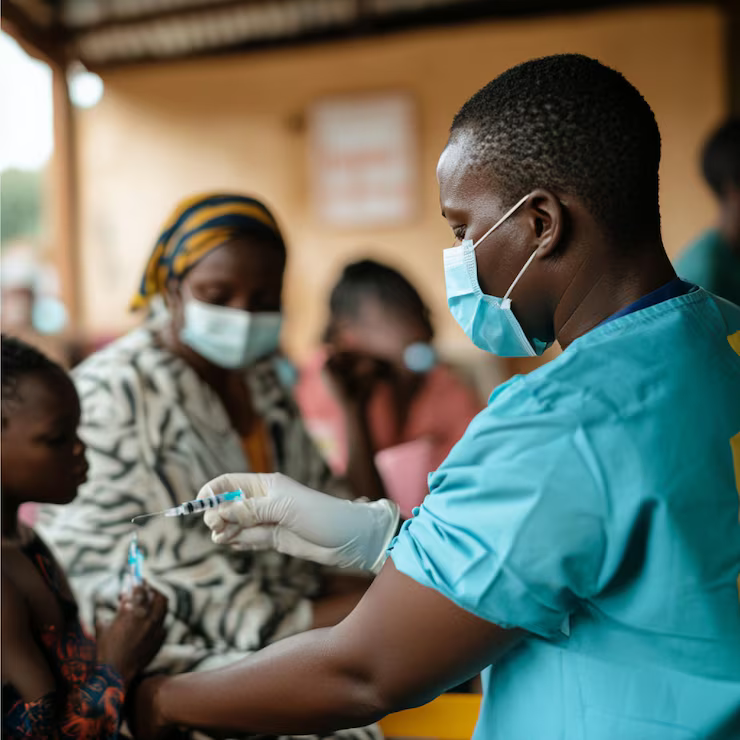
MSF responded to the threat by sending additional experts to the region for the purpose of vaccination, establishment of quarantine zones, and education of communities about infection prevention practices. Nonetheless, MSF says that there are too few qualified organizations providing medical help in the region.
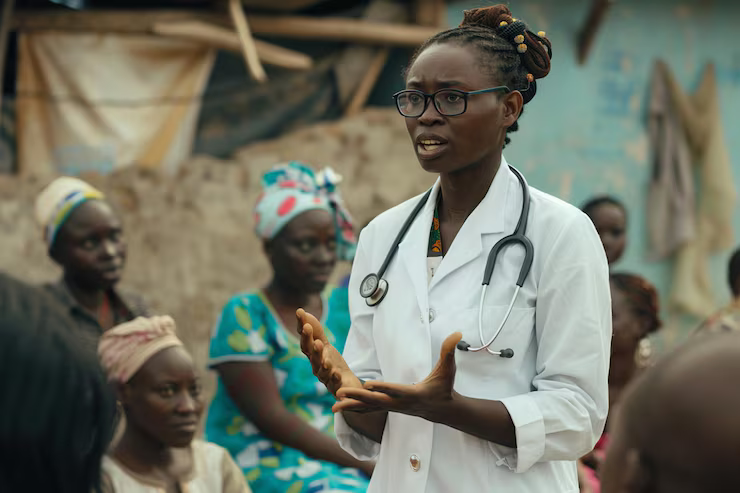
Furthermore, health officials have pointed out the presence of some logistical issues that affect the work of experts in the region such as borders and airports being closed that hinders delivery of necessary medical equipment and personnel.
For more on global health emergencies, read our coverage of the Hantavirus Cruise Ship outbreak
Medical experts are appealing to international organizations, governments, and NGO (non-governmental organizations) asking for urgent provision of medical supplies and funding. Priority tasks include boosting up testing capabilities (as hundreds of samples still require analysis) and speedy identification and isolation of patients along with the process of contact tracing.
This is the 17th Ebola outbreak in DRC, the first case of the disease was reported in 1976.
Disclaimer: Content is sourced from verified outlets and rewritten for general awareness. This is not medical advice. Visit our News & World section for more coverage.