
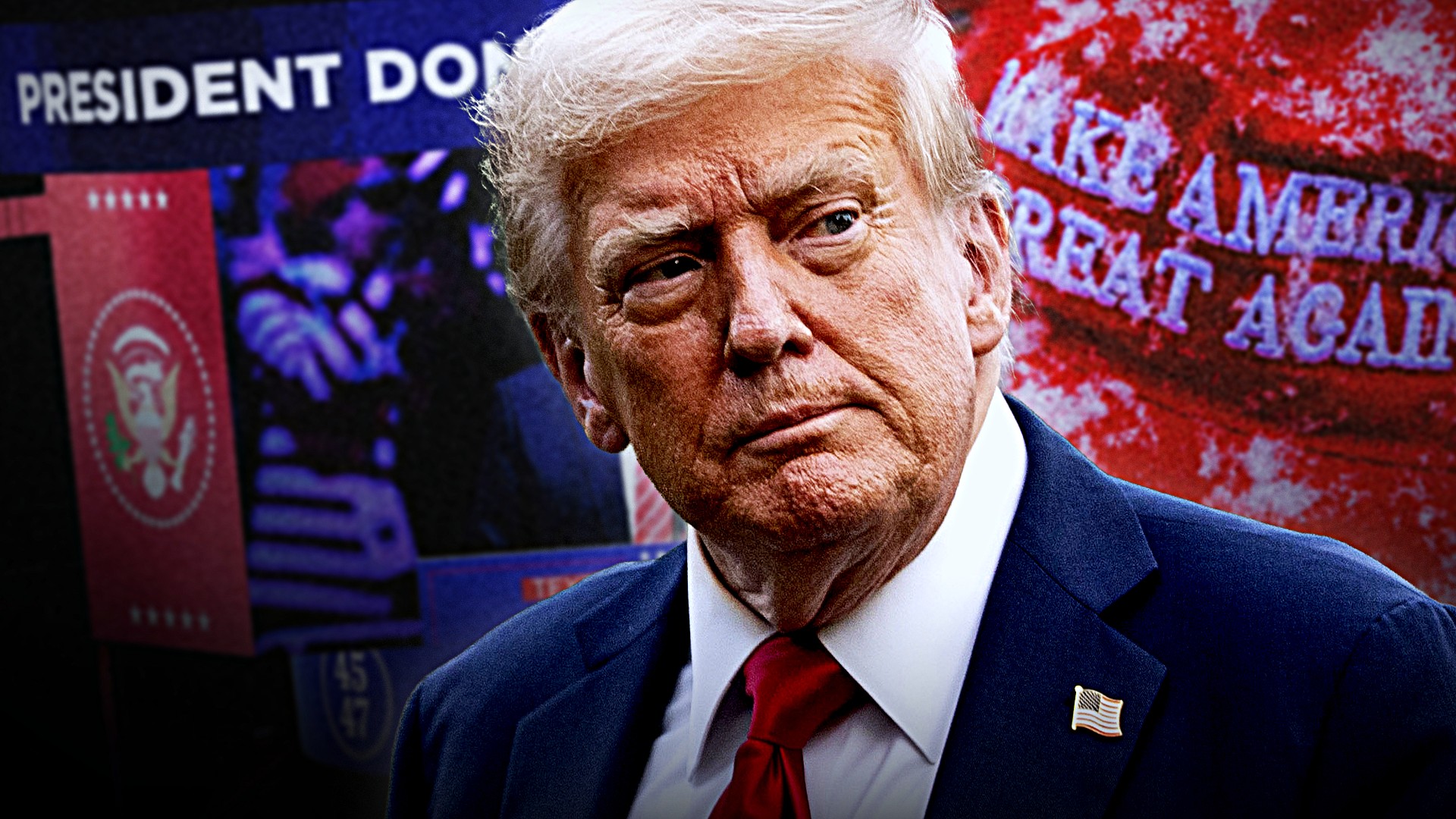

A proposed Trump $250 bill has moved from political talking point to active planning, after a Washington Post investigation found that Treasury officials pressed the agency that prints U.S. money to design a note featuring President Donald Trump’s portrait.
Trump administration officials have pressed the federal office that prints U.S. money to design a $250 banknote featuring President Donald Trump’s portrait, according to a Washington Post investigation published Thursday. If it ever reaches circulation, the note would mark the first time in more than 150 years that a living person appeared on American currency.
What the Reporting Says about Trump $250 bill
The Washington Post, citing four current and former employees, reported that two political appointees at the Treasury Department — U.S. Treasurer Brandon Beach and senior adviser Mike Brown — repeatedly urged staff at the Bureau of Engraving and Printing to develop preliminary designs for the note, beginning last year.
According to records reviewed by the Post, Beach provided bureau staff with mock-up designs in August and September. One draft placed Trump’s portrait in the center of the bill, flanked by the signatures of the president and Treasury Secretary Scott Bessent, with patriotic imagery and a logo commemorating the country’s 250th anniversary.
The Treasury Department did not push back hard against the reporting. A spokesperson told the Post that the bureau “is conducting appropriate planning and due diligence,” adding that if the necessary legislation is signed into law, the agency is moving proactively to produce a commemorative note recognizing the nation’s semiquincentennial.
The Legal Obstacle
Here is the catch that makes the whole plan uncertain: federal law has banned living people from appearing on U.S. currency since 1866, a rule enacted after the image of a Treasury official ended up on a five-cent note. (Some accounts place the last such appearance in 1886; sources differ on the exact date.)
That means a $250 note featuring a sitting president could not legally enter circulation without an act of Congress and the Treasury Secretary’s approval. A former bureau director told the Post that the denomination is not currently authorized by statute.
Internal resistance reportedly followed. According to the Post, former bureau director Patricia Solimene and other staff repeatedly told the Treasury officials that the agency was not authorized to proceed and that the process could take years. Solimene was abruptly reassigned on April 27 and told colleagues in an email that her departure was not voluntary.
The Legislative Backdrop
The idea did not appear out of nowhere. In February 2025, Republican Representative Joe Wilson of South Carolina introduced the “Donald J. Trump $250 Bill Act,” which would direct the bureau to design and print the note and create an exemption to the 19th-century ban for individuals who have served as president. The bill picked up 15 cosponsors but otherwise stalled in Congress.
The concept also went viral earlier this year when Kentucky Republican Rep. Andy Barr posted a photo of himself holding a giant mock-up of the proposed note alongside Beach. The artist behind that design, British painter Iain Alexander, told the Post that he discussed the concept directly with Trump, who endorsed changes including the colors of the American flag and an anniversary logo.
Part of a Broader Effort
The $250 proposal fits into a wider push to feature Trump’s name and likeness across federal currency and documents tied to the anniversary. In March, the Treasury announced that Trump’s signature would appear on U.S. paper currency — a first for a sitting president — with the first $100 bills slated for production in June. A federal arts panel has also approved a 24-karat gold commemorative coin bearing Trump’s image, and the State Department announced limited-edition passports featuring his portrait.
What Happens Next
For now, the $250 note remains a proposal. Any redesign would require congressional approval, Treasury sign-off, and coordination across multiple agencies — hurdles that bureau staff have warned could take years to clear. Financial markets have shown little direct reaction, but the debate has drawn sharp attention across news and social media as the July 4 semiquincentennial approaches.
Sources: The Washington Post (originating report), Rolling Stone, The Boston Globe, The New Republic, Fox News, and Rep. Joe Wilson’s office.