
US strikes Iran again: American forces downed four Iranian attack drones and hit a ground control station near the Strait of Hormuz overnight, officials said — a limited, defensive operation that nonetheless tested a fragile ceasefire in a war now three months old.
Why the US Strikes Iran Near Hormuz
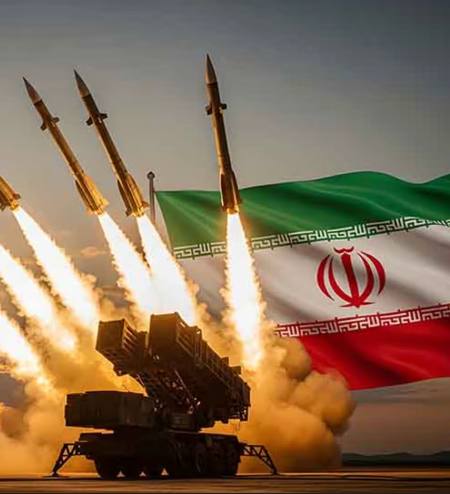
According to a U.S. official who spoke to Reuters on condition of anonymity, American forces struck an Iranian military ground control station in Bandar Abbas, a southern port city overlooking the strait. The official said the station was preparing to launch a fifth drone when it was hit. U.S. forces also intercepted and shot down four Iranian one-way attack drones that the military judged to be a threat to American personnel and to commercial shipping transiting the waterway.
NBC News, citing a U.S. official, reported that the downed drones belonged to Iran’s Islamic Revolutionary Guard Corps (IRGC) and did not strike any military or civilian target. The official emphasized that the action was limited and did not represent a resumption of major combat operations against Iran.
“These actions were measured, purely defensive, and intended to maintain the ceasefire,” the official told Reuters.
Iranian state media reported that three explosions were heard east of Bandar Abbas at roughly 1:30 a.m. local time Thursday, briefly activating the city’s air defenses. Iran’s semi-official Fars News Agency said the cause and exact location were still being investigated.
Iran Claims a Counterstrike
Iranian state-linked media reported that the IRGC said it had launched an attack on an American air base it identified as the source of the U.S. strikes. The IRGC did not specify which base, and the claim has not been independently verified or confirmed by U.S. officials. The United States maintains air bases across several countries in the region.
This is a developing claim, and readers should treat it as an unconfirmed Iranian assertion rather than an established fact until corroborated by independent or U.S. sources.
A War Already Three Months Old
The strikes are the latest flashpoint in a conflict that began on February 28, when U.S. and Israeli forces launched surprise attacks on Iranian military and government targets. Iran responded by moving to close the Strait of Hormuz — through which roughly 20 percent of the world’s oil flowed before the war — prompting an ongoing U.S. campaign to reopen it and, since mid-April, a U.S. naval blockade of Iranian ports.
The fighting has killed thousands and pushed global energy prices sharply higher, according to Reuters.
This week’s operation was the second set of U.S. strikes in recent days. A U.S. official told NBC News that Washington had carried out “very limited” and “very precise” attacks earlier in the week following a series of missile, drone, and small-boat launches by the IRGC. Iran’s foreign ministry, in turn, accused American forces of violating the ceasefire in the Hormuz region and vowed to “respond decisively” to any further breaches.
The Diplomatic Track
The military exchanges are unfolding alongside active, if uncertain, negotiations to end the war.
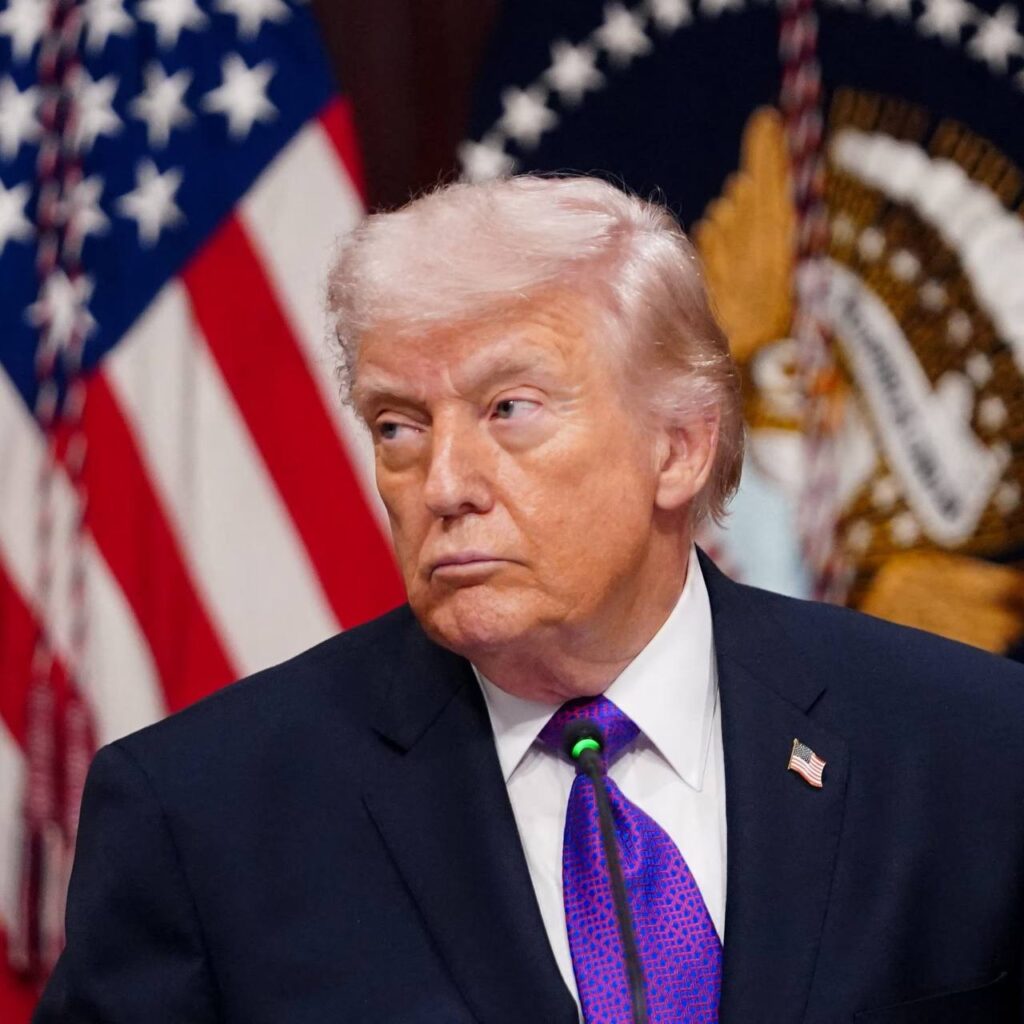
At a Cabinet meeting Wednesday, President Donald Trump said no nation would be allowed to control the Strait of Hormuz. “The strait is going to be open to everybody,” he said. “Nobody is going to control it.”
Iranian state media floated what it described as a preliminary, “unofficial” framework under which the U.S. would withdraw forces from areas around Iran and lift the naval blockade in exchange for Tehran restoring shipping through the strait to prewar levels within a month. The White House vigorously rejected that characterization. Trump also dismissed a separate Iranian state media report suggesting Iran and Oman would jointly manage shipping through the waterway.
Why It Matters for Markets
The Strait of Hormuz is one of the world’s most important energy chokepoints, and any sign of escalation there tends to ripple quickly through oil prices, shipping rates, and broader risk sentiment. With the ceasefire described by both sides as fragile and each accusing the other of violations, traders and policymakers will be watching closely for whether this week’s limited strikes stay contained — or widen.
What to Watch Next
- Whether the IRGC’s claimed counterstrike on a U.S. air base is confirmed, and where.
- Any U.S. confirmation or response to that claim.
- The operational status of the Strait of Hormuz and any shipping disruptions.
- Movements in Brent crude and WTI oil prices.
- The fate of the disputed U.S.–Iran framework and further statements from both governments.
Sources: Reuters (Phil Stewart), NBC News (Courtney Kube, Rebecca Shabad), CNN, and Iranian state media as cited. This is a developing story and will be updated as confirmed details emerge.
Disclaimer: GoodFinx reports on developing events using information available at the time of publication. Details in fast-moving situations may change. This article is for informational purposes only.